Gambling laws vary drastically from one country to another. While some nations embrace the industry with open arms, offering casinos, sports betting, and online gaming with minimal restrictions, others impose stringent regulations or outright bans. This stark contrast is shaped by cultural attitudes, religious beliefs, and government policies aimed at controlling gambling-related risks. Understanding where gambling is tightly regulated and where it flourishes with minimal oversight reveals a fascinating global divide.
United Arab Emirates: Zero Tolerance for Gambling
The United Arab Emirates (UAE) is one of the most restrictive countries when it comes to gambling. Under Islamic law, all forms of gambling are strictly prohibited. The government enforces severe penalties for anyone caught engaging in gambling activities, including hefty fines and imprisonment. Even online gambling is banned, with authorities using sophisticated internet surveillance to block access to offshore gambling platforms. Despite this, underground gambling rings occasionally operate in secret, though participation comes with significant legal risks.
North Korea: Gambling for Tourists Only
North Korea takes a unique approach to gambling. While its own citizens are strictly prohibited from participating in any form of gambling, the government permits select casinos to operate exclusively for foreign visitors. These establishments, primarily located in Pyongyang and the Rason Special Economic Zone, cater to Chinese and other international tourists looking for entertainment. For North Korean citizens, however, being caught gambling can result in severe punishments, including labor camps.
Singapore: Heavily Restricted but Not Prohibited
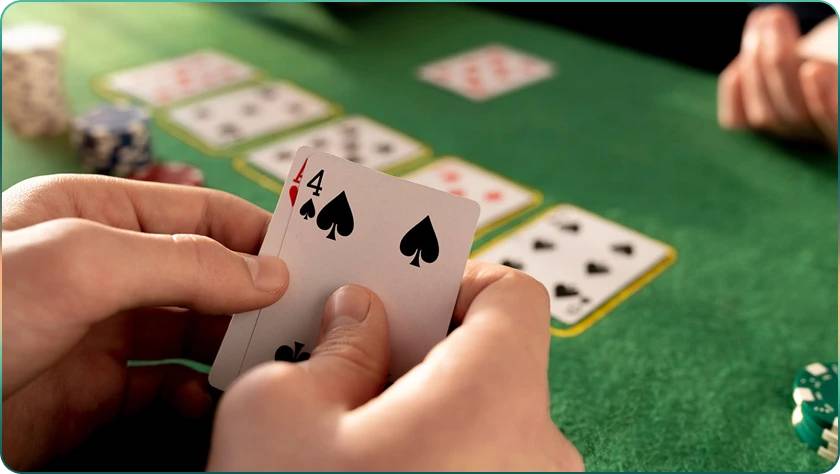
Singapore has one of the most controlled gambling environments in the world. While the country allows casinos to operate, it enforces strict regulations to limit local participation. The government imposes a hefty entry fee for Singaporean citizens who wish to gamble at local casinos, discouraging habitual play. Additionally, the authorities regulate online gambling with a firm hand, blocking unlicensed platforms and issuing significant fines for those who operate illegal betting sites.
China: State-Controlled Gambling with Heavy Restrictions
China maintains stringent gambling laws, banning all forms of gambling except for two state-run lotteries. These government-sanctioned lotteries generate billions in revenue, funding various social and infrastructure projects. Despite the strict laws, underground gambling is widespread, with illegal betting operations running in many parts of the country. Macau, a Special Administrative Region of China, serves as an exception, operating as a legal gambling hub with world-renowned casinos.
Qatar and Saudi Arabia: Religious Prohibitions
In Qatar and Saudi Arabia, gambling is completely banned under Islamic law. These countries enforce some of the strictest gambling laws in the world, criminalizing even minor betting activities. Online gambling platforms are heavily censored, and residents caught participating in any form of wagering can face severe penalties. Unlike some other countries with strict regulations, these nations offer no exceptions for tourists or state-run lotteries.
Countries with the Most Relaxed Gambling Laws
United Kingdom: A Gambling-Friendly Paradise
The United Kingdom is one of the most gambling-friendly countries in the world. The UK Gambling Commission (UKGC) regulates the industry, ensuring fair play while allowing a wide variety of gambling activities. From online casinos and sportsbooks to brick-and-mortar betting shops, the UK embraces gambling as a legitimate industry. Players enjoy robust consumer protections, and advertising for gambling services is widespread, further demonstrating the nation’s relaxed stance.
Australia: A Nation That Loves to Bet
Australia has one of the highest rates of gambling participation in the world. Nearly every form of gambling is legal, including land-based casinos, sports betting, poker, and online gaming. While the government has imposed restrictions on certain online gambling services, the overall environment remains highly permissive. The country also runs numerous lotteries, which are extremely popular among Australians.
Macau: The Gambling Capital of the World
Macau is often called the “Las Vegas of the East,” but in reality, it surpasses Las Vegas in gambling revenue. With no restrictions on casino gaming, the region thrives on its reputation as a gambling mecca. Tourists from mainland China, Hong Kong, and beyond flock to Macau’s opulent casinos to experience high-stakes gambling. Unlike China, where gambling is heavily restricted, Macau enjoys autonomy in its policies, making it one of the most relaxed gambling jurisdictions globally.
Malta: A Haven for Online Gambling
Malta is a small nation with a big presence in the gambling world. The country is home to one of the most well-respected online gambling regulatory bodies, the Malta Gaming Authority (MGA). Malta’s government actively encourages gambling businesses to set up operations, offering favorable tax rates and a regulatory environment that attracts international gaming companies. As a result, the country has become a global hub for online casinos and betting platforms.
Canada: A Mixed Yet Tolerant Approach
Canada has a somewhat decentralized approach to gambling regulations, with each province governing its own rules. However, the country overall maintains a relaxed stance, allowing casinos, sports betting, lotteries, and even online gambling through state-run platforms. The government permits offshore gambling sites to operate without much intervention, giving Canadian players a wide range of legal betting options.
Final Thoughts
As technology evolves and the gambling industry expands, regulations are continuously shifting. Some countries are tightening their laws, while others are embracing legalization to generate tax revenue and create new economic opportunities. The rise of online gambling and cryptocurrency-based betting platforms presents new challenges for regulators, who must balance consumer protection with industry growth.
For now, the gambling landscape remains deeply divided, with some countries enforcing harsh penalties and others welcoming gambling as an integral part of their entertainment economy. Whether strict or relaxed, gambling laws will continue to shape the way people engage with games of chance around the world.